The Key to Successful AI Adoption
Understanding the Stages of AI Maturity
Artificial Intelligence (AI) has evolved from a futuristic concept into a tangible business reality. Organizations around the world recognize AI’s potential to transform business processes. However, the path to successful AI implementation is complex. Many AI initiatives fail or deliver little business value because organizations lack a clear understanding of their current starting point. The key to success lies in understanding AI Maturity. It describes the level of maturity an organization has achieved in adopting and leveraging AI technologies. Companies with high AI maturity benefit from greater efficiency, increased innovation, and long-term competitive advantage.
The journey toward AI maturity requires careful planning, strong leadership, and the ability to address challenges such as data quality, IT infrastructure, and organizational adoption.
What Is AI Maturity? – Definition and Importance
AI maturity measures how effectively and comprehensively AI technologies are integrated into an organization’s business processes and culture. It is not simply about using AI tools, but about strategically leveraging data and algorithms to enable data-driven decision-making and process automation.
A solid understanding of an organization’s AI maturity enables business leaders to:
- Identify the strengths and weaknesses of existing AI initiatives.
- Prioritize investments strategically, rather than funding isolated silo projects.
- Unlock new business models enabled by modern AI technologies.
The journey to AI maturity is an ongoing process that requires adaptability and a long-term vision.
The AI Maturity Model: The Five Stages of AI Maturity
The AI Maturity Model typically divides AI adoption into five structured stages:
- Initial Stage (Experimentation): AI initiatives are sporadic and unstructured, often limited to individual departments without strategic alignment or clear objectives. Pilot projects primarily focus on gaining initial insights.
- Aware Stage (Strategic Planning): Organizations recognize AI’s potential. AI initiatives become more centrally coordinated, while companies begin improving data quality and process automation in a targeted manner.
- Defined Stage (Integrated Strategy): AI is embedded within core business processes and supported by executive leadership. Cross-functional teams collaborate, while governance frameworks and best practices are established.
- Managed Stage (Enterprise-Wide Scaling): AI is deployed consistently across business units. Organizations have modern cloud and data infrastructures and embrace agile, continuous optimization.
- Optimized Stage (Innovation & Market Leadership): AI becomes an integral part of the organization’s DNA. Automated feedback loops and innovative AI-driven business models create sustainable competitive advantages.
Methods and Tools for Assessing AI Maturity
Organizations use structured frameworks, SWOT analyses, AI analytics tools, and dashboards to evaluate their AI maturity. These methods help identify gaps in data utilization, infrastructure, and operational processes.
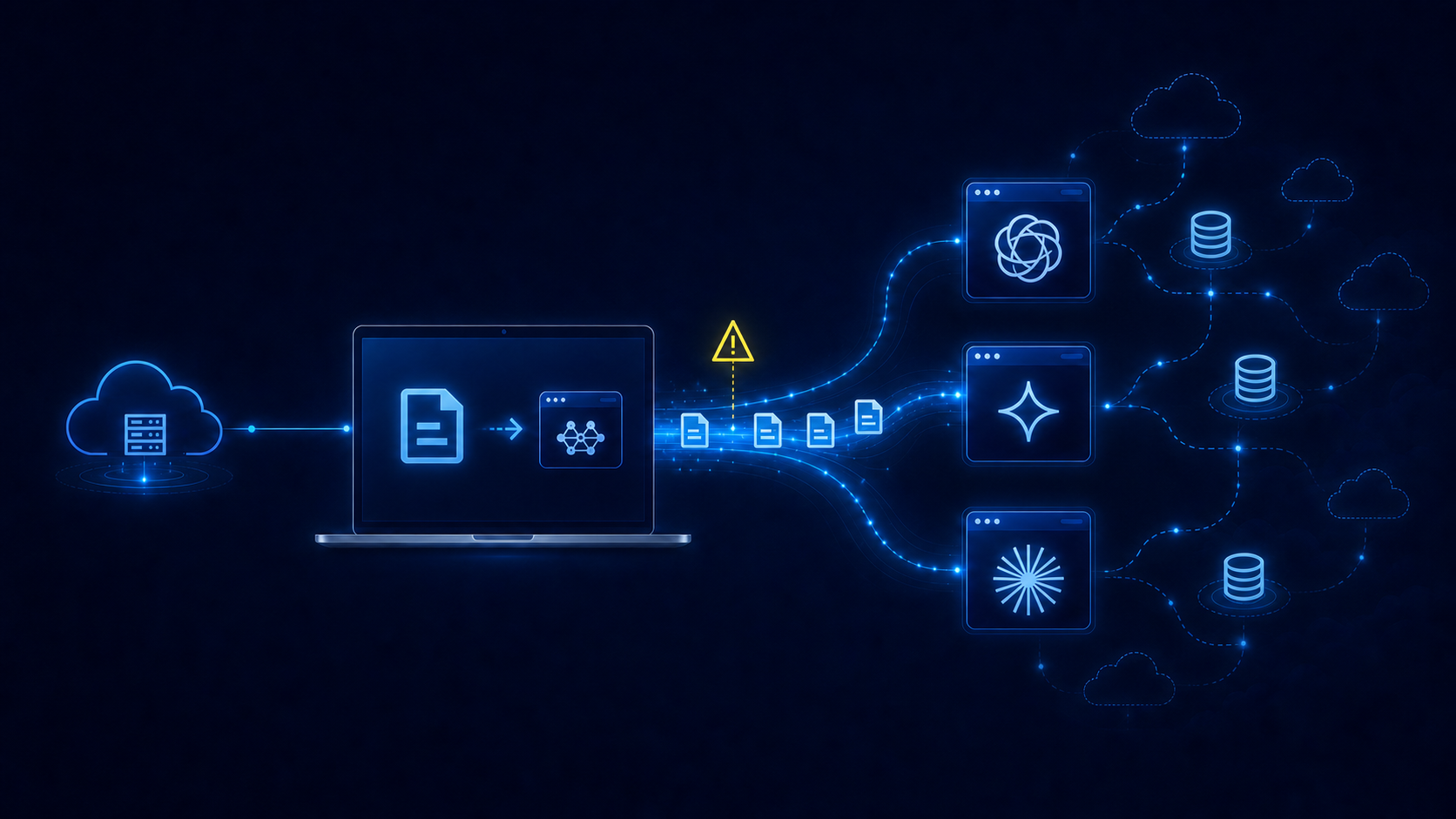
However, organizations often lack an objective perspective on common obstacles such as poor data quality, missing quality standards, or security and compliance requirements.
Assess before you build
Success Factors and Challenges on the Road to AI Maturity
Achieving AI maturity requires overcoming both technical and organizational challenges:
- Data Quality & Availability: Clean, consistent, and reliable data is the foundation of every successful AI initiative. Poor data quality results in inaccurate models and unreliable outcomes.
- Technology Infrastructure: Legacy systems quickly reach their limits. Modern cloud architectures provide the scalability and performance required for enterprise AI.
- Organizational Culture & Leadership: AI transforms the way people work. Leaders must communicate a clear vision, address concerns, and actively support change management.
- Security, Governance & Compliance: Transparency, data protection, and regulatory compliance are essential to maintaining trust with customers and business partners.
- Skills Gap: Cross-functional teams—including data scientists, engineers, and business experts—are essential for successfully delivering AI solutions that create business value
Future Outlook: How AI Maturity Drives Innovation
Organizations with high AI maturity accelerate product development, proactively identify market trends, and create highly personalized customer experiences. They respond more quickly to changing market conditions and gain a significant competitive advantage on a global scale.
Conclusion: Your Roadmap to Sustainable AI Maturity
Achieving a high level of AI maturity is not simply an IT initiative—it is a company-wide transformation. The guiding principle is simple: Assess before you build. Start with a clear understanding of where your organization stands today and establish a strong foundation before investing in complex AI ecosystems.
Start your AI journey with clarity and confidence!
Continue Reading