Agentic E-Commerce for Big Online Shops
Understanding the Rise of Agentic Commerce
Everyone knows the pain of returning a broken toaster, only to get trapped in endless loops of rigid customer service chatbots. According to retail industry data, this friction drives millions of shoppers away annually, making Agentic E-commerce a crucial evolution for large-scale retailers looking to scale efficiency and automate complex tasks instantly. Imagine an assistant that simply processes your refund instantly instead.
This transition from talking bots to proactive problem-solvers defines Agentic Commerce. Rather than just sharing links, this modern AI operates as a “Digital Doer”—a trusted personal assistant holding the keys to the office to execute real tasks independently.

Agentic Ecommerce: The Ultimate Gamechanger
We are not just facing a minor improvement, but a fundamental turning point in digital commerce. Industry experts identify Agentic Ecommerce as the central gamechanger that is redefining the rules of the game. It is becoming increasingly clear: companies that adopt this technology early will gain a decisive advantage in the competition for the most efficient customer journey and set the standards of tomorrow.
Adopting agentic e-commerce for big online shops instantly solves massive customer support bottlenecks. Because autonomous AI shopping agents handle complex logistics behind the scenes, everyday buyers save hours of frustrating screen time.
The "Digital Personal Shopper" Advantage: How Agents Solve Complex Buying Problems in Seconds
Scrolling through endless product pages to piece together a complex order causes “search fatigue.” When planning a vegan dinner party for six on a strict $100 budget, hunting down every individual ingredient quickly becomes tedious.
Fortunately, the evolution of search toward autonomous shopping discovery ends this frustration. Instead of typing single items into a box and doing the mental math yourself, you can now practice outcome-based shopping. You simply state your final goal, and the digital assistant figures out how to achieve it.
Consider the difference when relying on scalable AI personal shoppers for high-traffic sites:
- Search Bar (Keywords): You manually hunt for “vegan pasta,” “dairy-free dessert,” and “cheap appetizers” across multiple tabs.
- Agent (Outcomes): You instruct, “Buy a $100 vegan Italian dinner for six,” and the agent instantly populates your cart perfectly.
These digital assistants brilliantly navigate complex dietary and budget constraints. Yet, to successfully purchase those groceries, the AI must integrate directly with the store’s actual inventory systems.
Connecting the Brain to the Hands: Why Agentic E-commerce Beats Traditional Chatbots
Traditional chatbots often compound frustration by only offering apologies and links to FAQ pages, highlighting the crucial difference between generative AI and agentic e-commerce. While standard AI generates text to answer questions, an agentic system executes tasks on your behalf.
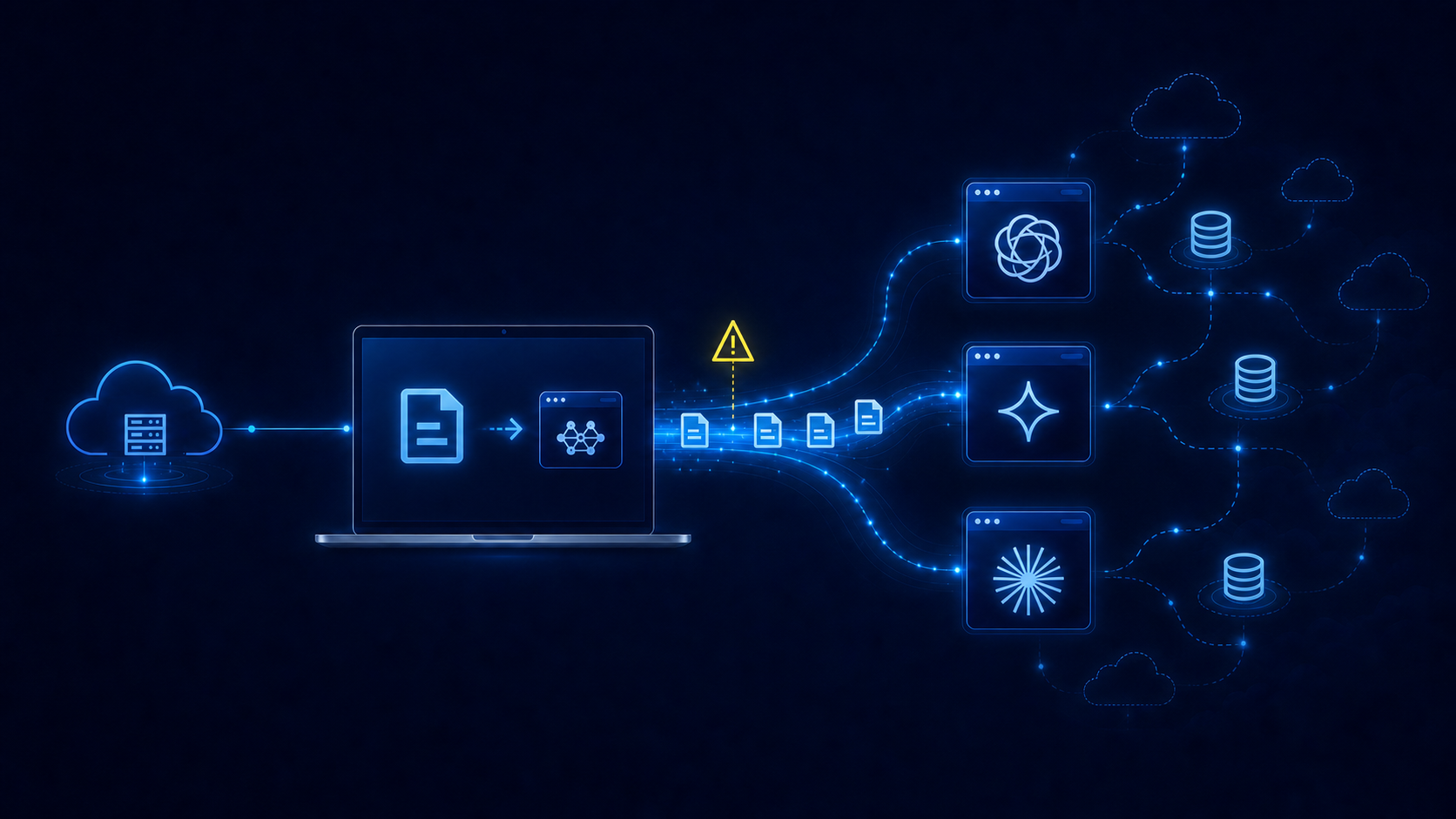
Making this leap from talking to doing requires the AI to act like a digital nervous system. Think of the artificial intelligence as a smart brain that must connect perfectly to the store’s “hands”—the real-world inventory and shipping systems.
Modern online stores achieve this connection by integrating autonomous agents with headless commerce architectures. “Headless” means the visual storefront you see on your screen is separated from the backend systems managing stock, allowing the AI to plug directly into the warehouse data like a digital employee pulling levers.
By directly linking the brain to the hands, automating customer purchase journeys with AI agents becomes a reality rather than science fiction. Fully connecting the assistant to the store’s systems enables it to handle massive catalogs flawlessly.
Managing 100,000 Items Effortlessly: How Multi-Agent Systems Prevent Stock-Outs and Overpricing
Finding a specific item in a digital store with over 100,000 changing products is too overwhelming for just one AI assistant. To handle this daily chaos, major retailers deploy “multi-agent systems.” Think of this setup as a highly coordinated team of digital specialists, where each AI worker is delegated a dedicated, specialized task.
By sharing the workload, multi-agent systems for large-scale inventory management conquer massive catalogs in three key ways:
- Real-time inventory: Instantly updating global stock levels so you never accidentally purchase a sold-out item.
- Dynamic pricing: Guaranteeing competitive deals for shoppers through real-time dynamic pricing using autonomous agent networks.
Proactive restock: Reordering popular products right before the warehouse shelves go empty.
Skeptics often wonder if AI agents can handle complex B2B procurement. Absolutely. Because these specialized bots communicate seamlessly with one another, they can effortlessly analyze supplier catalogs, negotiate bulk materials, and order thousands of items for corporate chains without experiencing human fatigue.
When a digital workforce has the authority to spend real company money, strict guardrails become essential to protect agent-driven orders.

Safe Shopping with Autonomous Bots
Handing your credit card to a digital assistant sounds risky when it makes real-world purchases. To prevent costly mistakes, retailers rely on “AI guardrails”—strict boundaries dictating exactly what an AI can and cannot do. Prioritizing AI agent security for large-scale transaction handling ensures these digital helpers never accidentally order a thousand televisions instead of just one.
Before money changes hands, a process called autonomous verification automatically kicks in. Think of it like a store manager quickly double-checking a new employee’s math before approving a massive refund. This invisible safety net is crucial for solving scalability issues with agentic AI workflows, instantly reviewing thousands of simultaneous orders to block unusual spending patterns or unauthorized account access.
Robust protections allow retailers to safely embrace proactive customer engagement without compromising data privacy. Enterprise-grade security seamlessly verifies every single action, paving the way for a fundamental shift from browsing to directing.
Your 5-Year Shopping Roadmap: How to Prepare for the Shift from Browsing to Directing
Instead of endlessly clicking through menus, shoppers now act as directors guiding digital assistants. This shift to agentic commerce saves consumers hours while improving e-commerce conversion rates.
To prepare for this evolution, start here:
- Try a basic agent tool to research your next complex purchase.
- Look for “agentic” features emerging in your favorite retail apps.
- Focus on outcome-based requests by stating your final goal, rather than just typing keywords.
The future of retail is frictionless. Soon, you will simply explain what you need, and your digital personal shopper will make it happen.